https://www.jw.org/finder?srcid=jwlshare&wtlocale=E&prefer=lang&docid=1102023308
‘We don’t need to be told what to do on democracy’: India’s Permanent Representative to the UN Amb Ruchira Kamboj
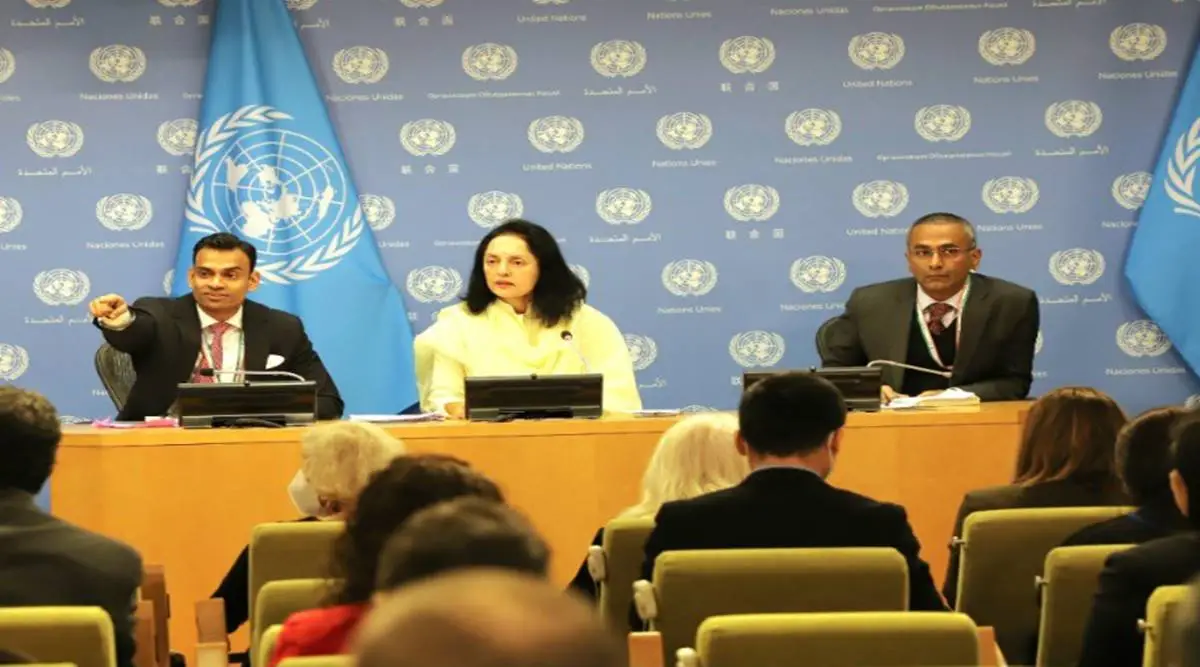
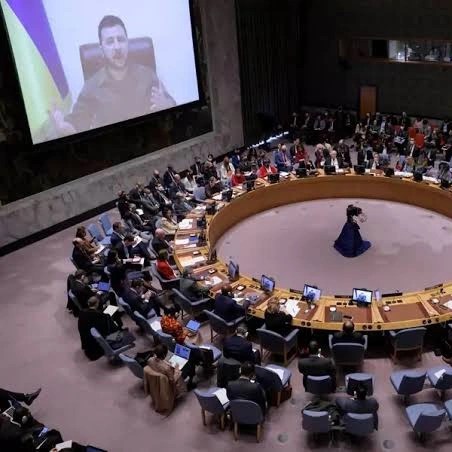
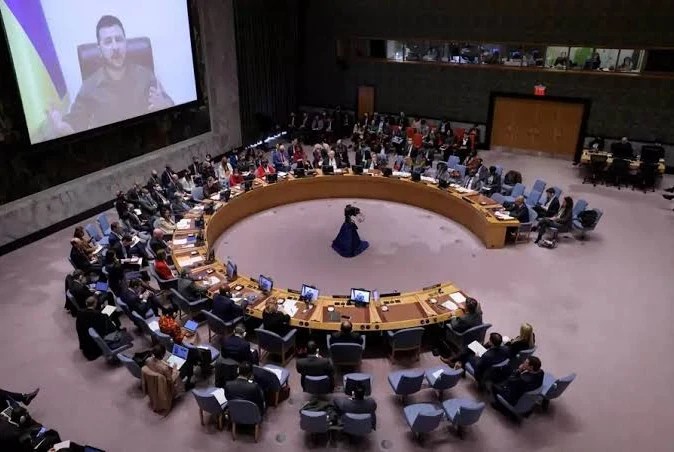
India does not need to be told what to do on democracy, the country’s Permanent Representative to the UN Ambassador Ruchira Kamboj has asserted. India on Thursday assumed Presidency of the 15-nation UN Security Council for the month of December, during which it will host signature events on countering terrorism and reformed multilateralism. The Presidency will bring the curtains down on India’s two-year tenure as elected non-permanent member of the powerful UN organ.
‘We don’t need to be told what to do on democracy’: India’s Permanent Representative to the UN Amb Ruchira Kamboj
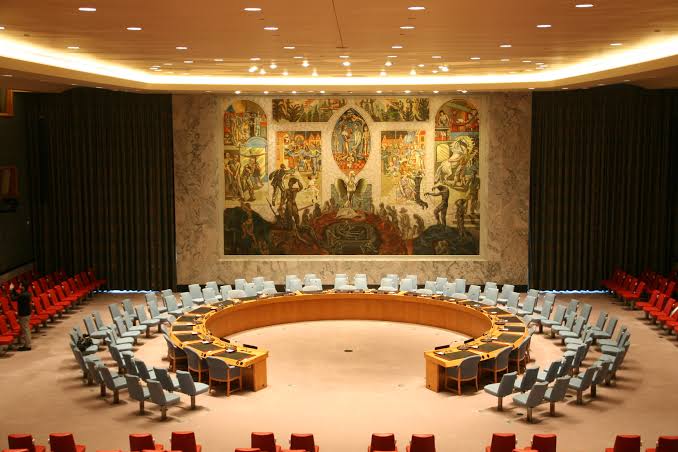
Kamboj, India’s first woman Permanent Representative to the UN, will sit in the President’s seat at the horse-shoe table. On the first day of India’s presidency, she addressed reporters in the UN headquarters on the monthly programme of work.
Also read| India’s envoy at UN Ambassador Ruchira Kamboj meets UNSG, PGA ahead of December UNSC Presidency
Responding to a question on democracy and freedom of press in India, she said “we don’t need to be told what to do on democracy.” “India is perhaps the most ancient civilization in the world as all of you know. In India, democracy had roots going back to 2500 years, we were always a democracy. Coming down to very recent times, we have all the pillars of democracy that are intact – legislature, executive, judiciary and the fourth estate, the press. And a very vibrant social media. So the country is the world’s largest democracy,” she said.
Also read| India’s UNSC presidency to mark arrival of Mahatma Gandhi’s bust at UNHQ
“Every five years we conduct the world’s largest democratic exercise. Everyone is free to say as they wish and please and that is how our country functions. It’s rapidly reforming, transforming and changing. And the trajectory has been very impressive. And I don’t have to say this, you don’t have to listen to me. Others are saying this,” Kamboj said.
How to make your life more happier?
For me, To be more happy is to see is to believe. What does It mean?
I want to share my story with you. Im Jacob Cardel and I am residing in Metro Manila and im studying in Arellano University and planning to take masters in the future.
I have experienced many outcomes in life. First, in August 2021 I was becomed a Christian-JW at that time.
After sometime, in December 2021,we’ve experienced fire incident in some places in Mandaluyong. There are so big problems and even bigger than my faith.

My journey through lifetime and beyond
Hello everyone. My name is Jacob Cardel. I was born and raised in Manila. And was grown up in a fully devoted Christian family. After those years their are some major changes in my life.
I became more happier and confident as well as comfortable with myself because of my family and relatives supported me with my journey.
#life #behappy
Also I write this biography as part of my life experiences and life events.

How to be more comfortable and happier to yourself
Diplomacy: The U.S. Department of State at Work, “International Foreign Diplomatic Relations International”
The U.S. Department of State manages America’s relationships with foreign governments, international organizations, and the people of other countries. The management of all of these relationships is called diplomacy. State Department diplomats carry out the President’s foreign policy and help build a more free, prosperous, and secure world.
The State Department is a vital part of the U.S. Government because it:Represents the United States overseas and conveys U.S. policies to foreign governments and international organizations through American embassies and consulates in foreign countries and diplomatic missions;Negotiates and concludes agreements and treaties on issues ranging from trade to nuclear weapons;
Coordinates and supports international activities of other U.S. agencies, hosts official visits, and performs other diplomatic missions;Leads interagency coordination and manages the allocation of resources for foreign relations; andPromotes mutual understanding between the people of the United States and the people of other countries around the world.There are more than 190 countries in the world, and the United States maintains diplomatic relations with some 180 of them, as well as with many international organizations.
Advances in travel, trade and technology have made the world more interconnected today than ever before, making interactions with other countries and their citizens more important for the United States.The State Department has four main foreign policy goals:Protect the United States and Americans;Advance democracy, human rights, and other global interests;Promote international understanding of American values and policies; andSupport U.S. diplomats, government officials, and all other personnel at home and abroad who make these goals a reality.
Protecting AmericaThe Faces of Global Terrorism, Rewards for Justice poster.Diplomacy is one of the best ways to protect the United States and the American people. We use diplomacy with other nations to successfully deal with many challenges that cross national boundaries and affect us here in the United States, including:Terrorism;The threat of weapons of mass destruction;HIV/AIDS and other infectious diseases;Illegal drug trafficking and crime;Humanitarian needs of migrants and refugees; andEnvironmental degradation.Americans at home and abroad face threats to their physical and economic well-being.
The State Department protects our nation, its people, and our prosperity by helping to:Prevent terrorist attacks and strengthen international alliances to defeat global terrorism;Ensure America’s homeland security by promoting policies and practices to keep travel, trade, and important infrastructure safe;Serve on the front line of America’s borders, facilitating the entry of legitimate visitors to the United States while denying visas to those who do not qualify or would do us harm;Promote stability in all regions of the world;Prevent enemies from threatening the United States or our allies with weapons of mass destruction;Reduce the impact of international crime and illegal drugs on Americans;Protect and assist American citizens who travel, conduct business, and live abroad; and Nurture common interests and values between the people of the United States and the people of other countries.





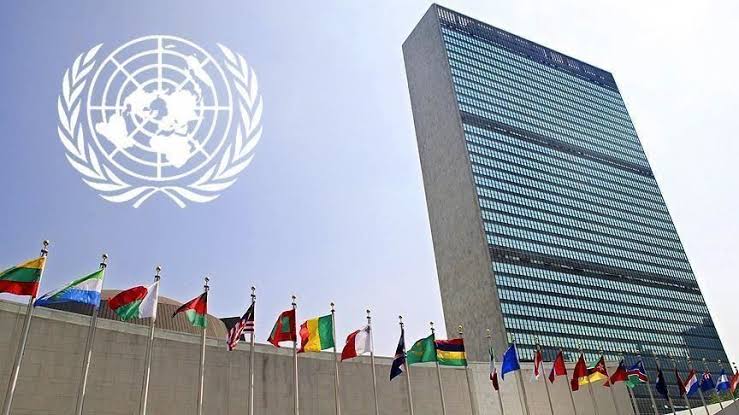
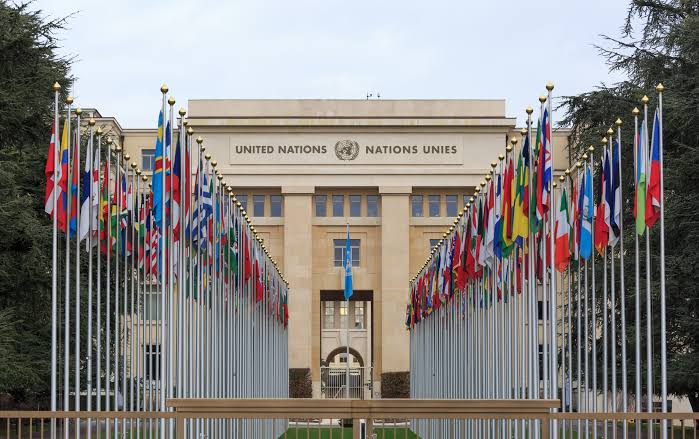
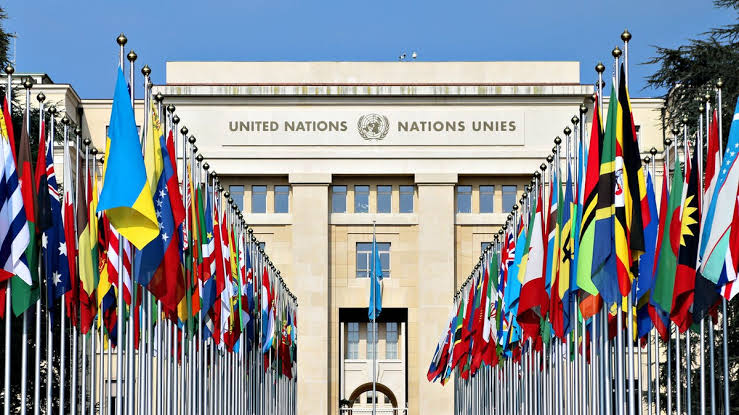






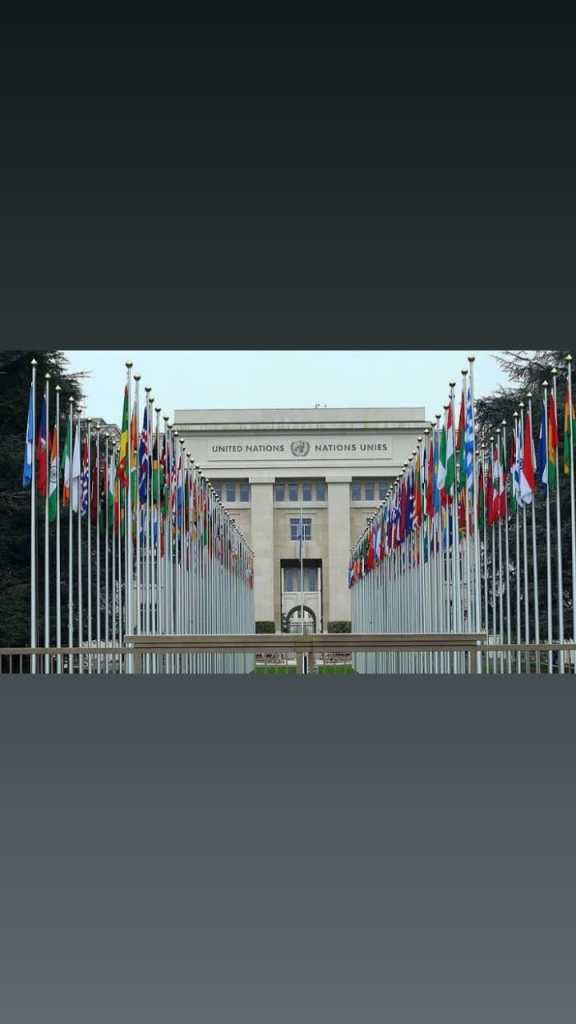


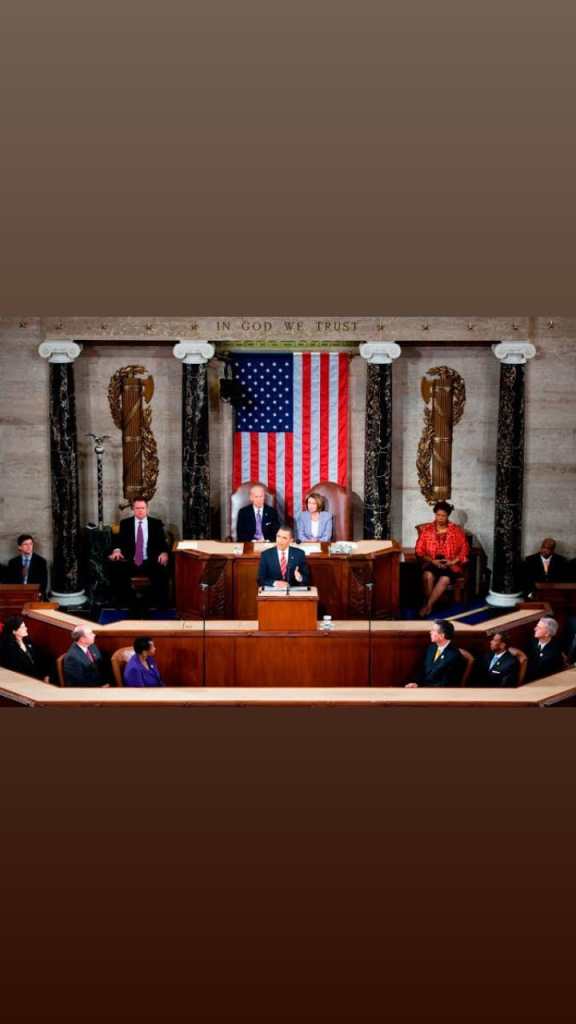


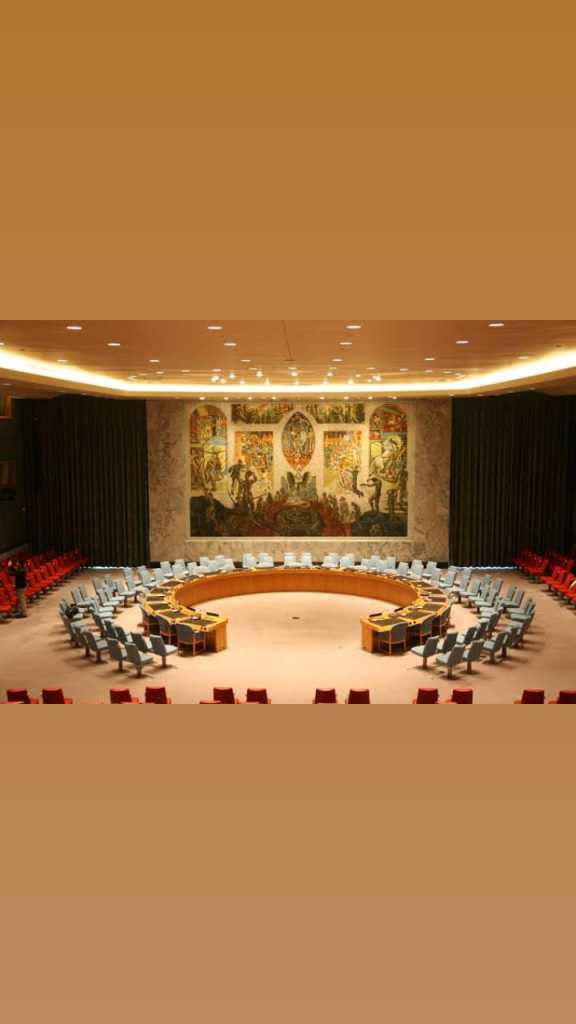
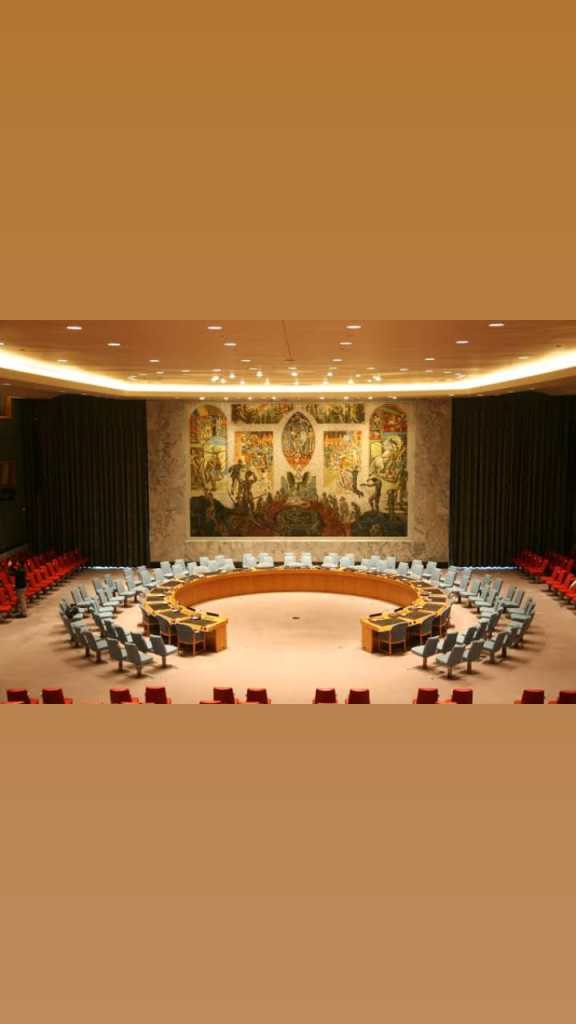


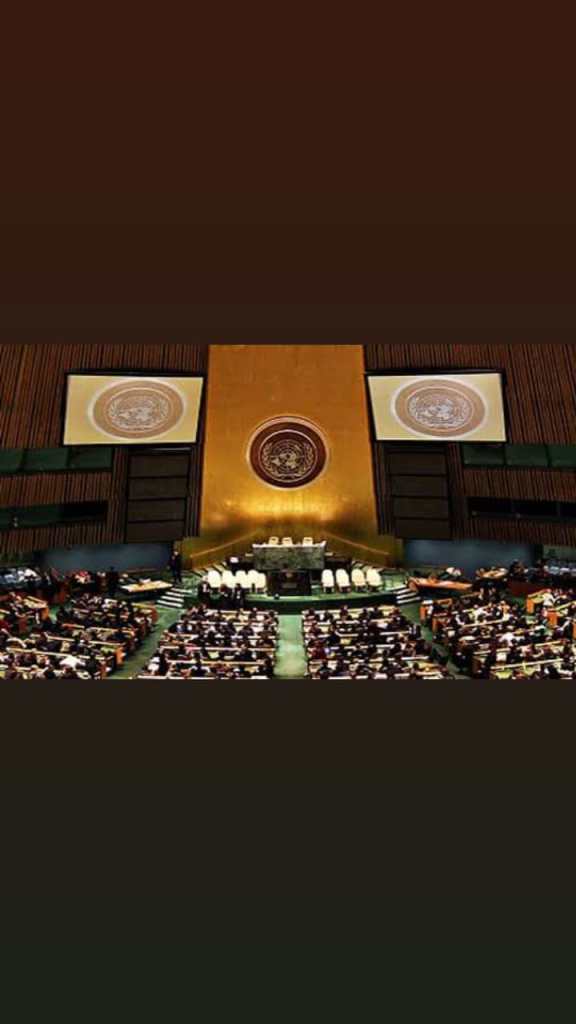




































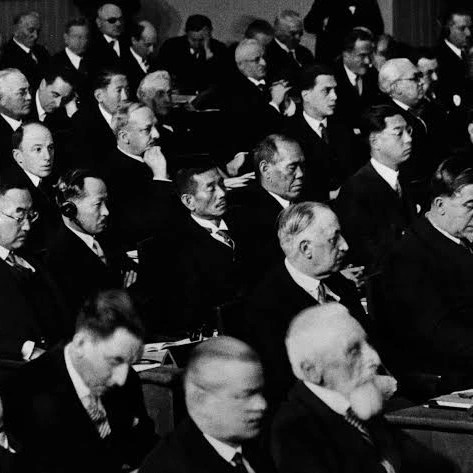
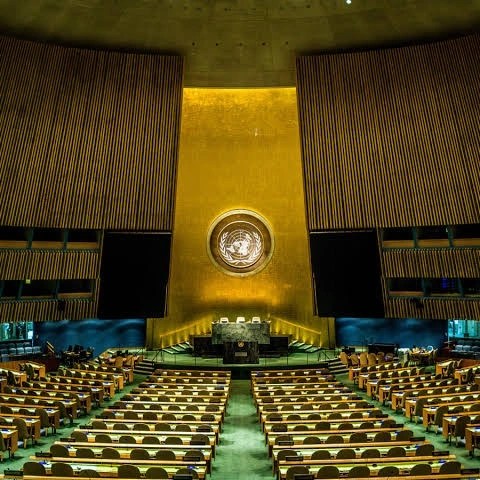
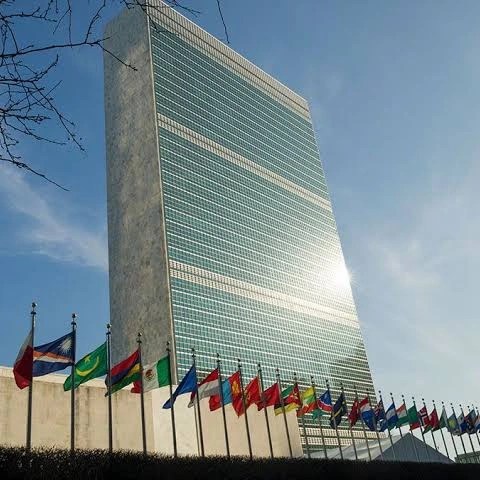





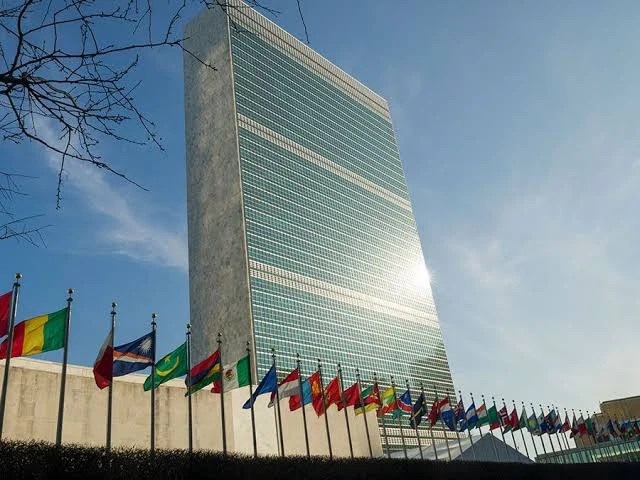










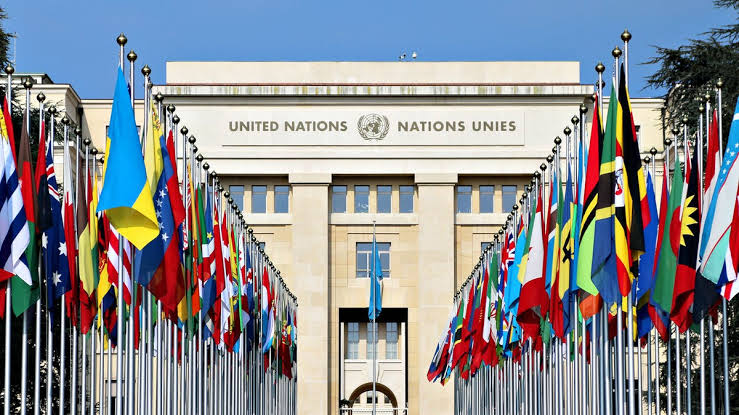






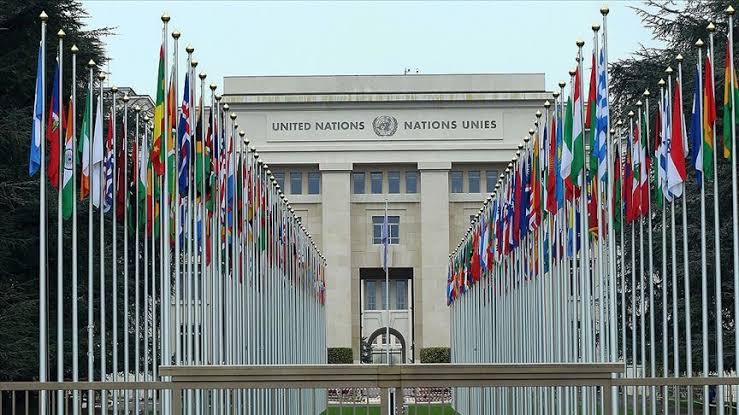


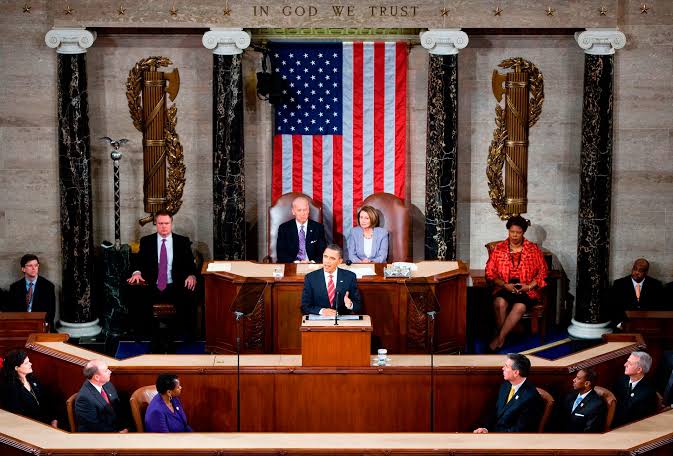


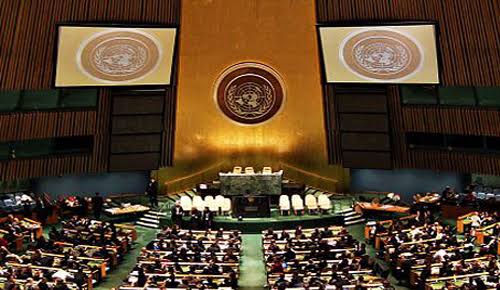



President Jacob Caldino Cardel, World President, United Nations
United Nations (UN) & The United Nations Educational, Scientific and Cultural Organization (IGO and human rights. Together, we can achieve the World’s Sustainable Development Programs to obtain its greatest future that we are done by doing an Action including United Nations and UNESCO for all people, everywhere. We may find that the pandemic has it’s difficulty when it comes to the capital and finance perspectives. But, We, United Nations (UN) United Nations United Nations United Nations Peacekeeping are truly make change happened especially on the place where the pandemic is truly under control. World Health Organization StartUp Health. The UNICEF UNICEF Brasil UNICEF UK have something to accomplish for the children and teens by improving the economical development throughout the globe. We have the Global Sustainable Goals that will made the huge change that will remember by every member of the human family. In 2030, UN, United Nations are important to have the idea of showing of building trust, justice and human rights. #ACTNOW #ActionForce is important information to protect the individuals in each communities. They will provide us with the best of all that is needed. We will continue to ACT exclusively. As a promise, We are assuring that every individual of the human family will able to maintain the support for each other both financially and economically.









.jpeg)


Political, Democratic & Political Economy Search Essay ©®™
Political economy[1][2] is the study of production and trade and their relations with law, custom and government; and with the distribution of national income and wealth. As a discipline, political economy originated in moral philosophy, in the 18th century, to explore the administration of states’ wealth, with “political” signifying the Greek word polity and “economy” signifying the Greek word οἰκονομία (household management). The earliest works of political economy are usually attributed to the British scholars Adam Smith, Thomas Malthus, and David Ricardo, although they were preceded by the work of the French physiocrats, such as François Quesnay (1694–1774) and Anne-Robert-Jacques Turgot (1727–1781).[3] There is also a tradition which is almost as long, of critique of political economy.
Jean-Jacques Rousseau, Discours sur l’oeconomie politique, 1758
For the study of political science through economic analysis, see Public Choice Theory.
For the effects of politics on the economy, see Economic policy.
In the late 19th century, the term “economics” gradually began to replace the term “political economy” with the rise of mathematical modeling coinciding with the publication of an influential textbook by Alfred Marshall in 1890.[4] Earlier, William Stanley Jevons, a proponent of mathematical methods applied to the subject, advocated economics for brevity and with the hope of the term becoming “the recognised name of a science”.[5][6] Citation measurement metrics from Google Ngram Viewer indicate that use of the term “economics” began to overshadow “political economy” around roughly 1910, becoming the preferred term for the discipline by 1920.[7] Today, the term “economics” usually refers to the narrow study of the economy absent other political and social considerations while the term “political economy” represents a distinct and competing approach.
In common parlance, “political economy” may simply refer to the advice given by economists to the government or public on general economic policy or on specific economic proposals developed by political scientists.[6] A rapidly growing mainstream literature from the 1970s has expanded beyond the model of economic policy in which planners maximize utility of a representative individual toward examining how political forces affect the choice of economic policies, especially as to distributional conflicts and political institutions.[8]
Political economy is available as a stand-alone area of study or offered under economics or political science at some institutions, including Harvard University, Princeton University, London School of Economics, Stanford University, the University of Chicago, among others.[



Religion, Culture, Catholic Economy, Church & Study
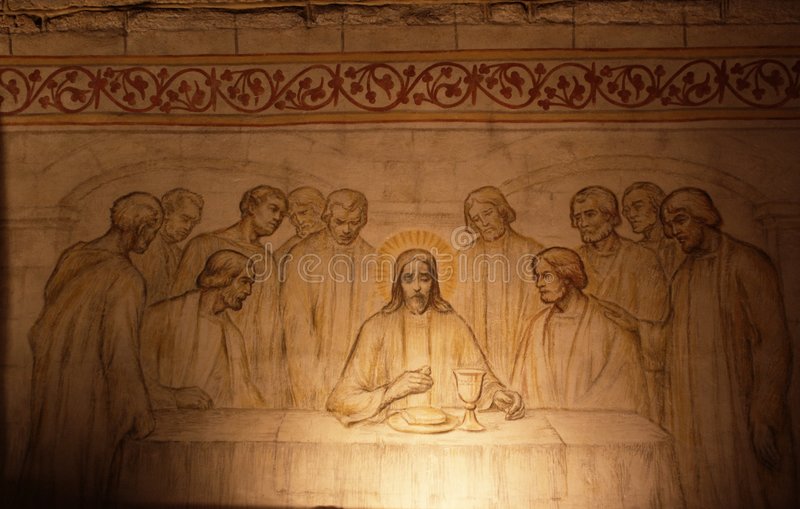
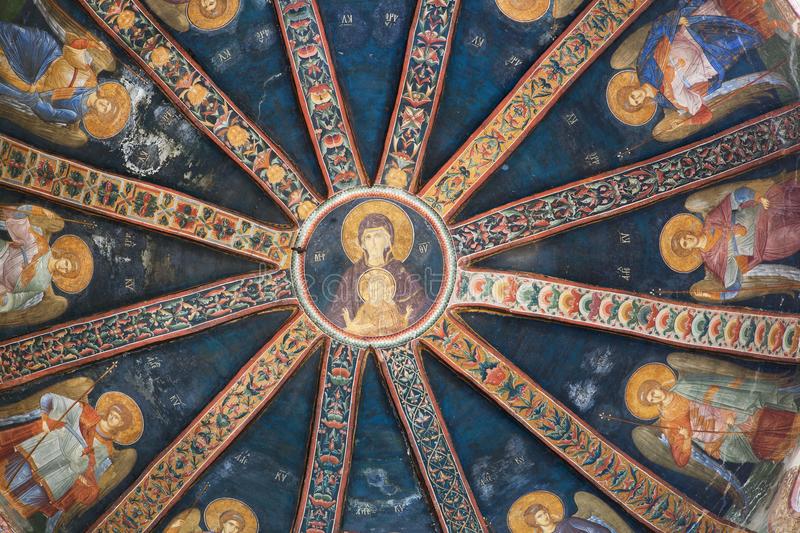
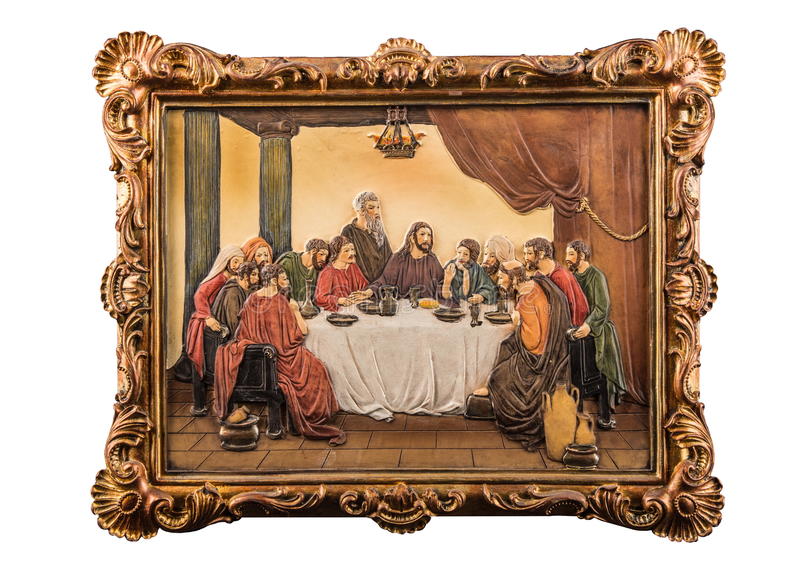
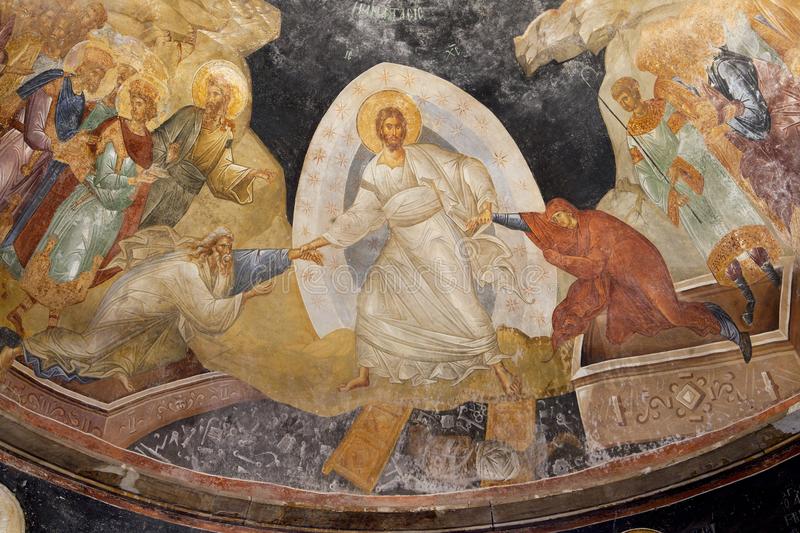

Open main menu
Wikipedia
Search
You have no notifications.
Hide
WLE Austria Logo (no text).svg
Wiki Loves Earth in the Philippines
Upload your photos of protected sites & species and win exciting prizes!
Religious perspectives on Jesus
Article Talk
Language
Download PDF
Watch
History
Edit
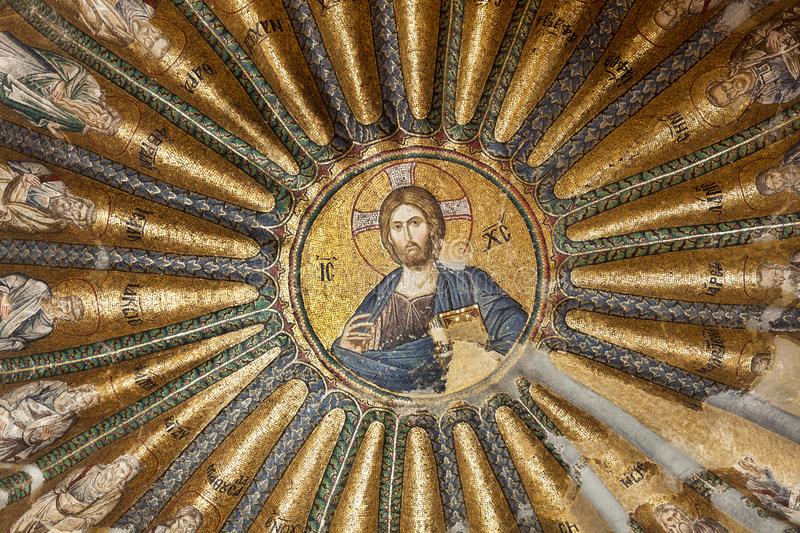
The religious perspectives on Jesus vary among world religions.[1] Jesus’ teachings and the retelling of his life story have significantly influenced the course of human history, and have directly or indirectly affected the lives of billions of people, even non-Christians.[1][2][3] He is considered by many to be one of the most influential persons to have ever lived, finding a significant place in numerous cultural contexts.[4]
Christianity teaches that Jesus is the Messiah (Christ) foretold in the Old Testament and the Son of God. Christians believe that through his death and resurrection, humans can be reconciled to God and thereby are offered salvation and the promise of eternal life.[5] These teachings emphasize that as the willing Lamb of God, Jesus chose to suffer in Calvary as a sign of his full obedience to the will of his Father, as an “agent and servant of God”.[6][7] Christians view Jesus as a role model, whose God-focused life believers are encouraged to imitate.
In Islam, Jesus (commonly transliterated as Isa) is one of God’s highest-ranked and most-beloved prophets. Islam considers Jesus to be neither the incarnation nor the Son of God. Islamic texts emphasize a strict notion of monotheism (tawhid) and forbid the association of partners with God, which would be idolatry (shirk).
In the Druze faith, Jesus is considered one of God’s important prophets and the Messiah.[8][9]
The Baháʼí Faith considers Jesus to be one of many manifestations of God, who are a series of personages who reflect the attributes of the divine into the human world. Baháʼís reject the idea that divinity was contained with a single human body.
Apart from his own disciples and followers, the Jews of Jesus’ day generally rejected him as the Messiah, as do the great majority of Jews today. Mainstream Jewish scholars argue that Jesus neither fulfilled the Messianic prophecies in the Tanakh nor embodied the personal qualifications of the Messiah. Sikhism views Jesus as a high-ranked Holy man or saint.
Other world religions such as Buddhism have no particular view on Jesus, and have but a minor intersection with Christianity. For non-religious perspectives on Jesus, see historical Jesus.
Christianity
Edit
Main article: Jesus in Christianity
See also: Ministry of Jesus, Parables of Jesus, Miracles of Jesus, and Names and titles of Jesus in the New Testament
Christian views of Jesus are based on the teachings and beliefs as outlined in the Canonical gospels, New Testament letters, the Christian creeds, as well as specific denominational teachings. These documents outline the key beliefs held by Christians about Jesus, including his divinity, humanity, and earthly life, and that he is the Christ and the Son of God.[10]
Although Christian views of Jesus vary, it is possible to summarize the key beliefs shared among major denominations, as stated in their catechetical or confessional texts.[11] Generally speaking, adhering to the Christian faith requires a belief that Jesus is the Son of God and the Messiah or Christ. Jesus refers to himself as the Son of God in the New Testament.[12]
Christians consider Jesus to be the Messiah (Christ) and believe that through his death and resurrection, humans can be reconciled to God and thereby are offered salvation and the promise of eternal life.[5] These teachings emphasize that as the willing Lamb of God, Jesus chose to suffer in Calvary as a sign of his full obedience to the will of his Father, as an “agent and servant of God”.[6][7] The choice Jesus made thus counter-positions him as a new man of morality and obedience, in contrast to Adam’s disobedience.[13]
The five major milestones in the gospel narrative of the life of Jesus are his Baptism, Transfiguration, Crucifixion, Resurrection and Ascension.[14][15][16] These are usually bracketed by two other episodes: his Nativity at the beginning and the sending of the Paraclete at the end.[14][16] The gospel accounts of the teachings of Jesus are often presented in terms of specific categories involving his “works and words”, e.g. his ministry, parables and miracles.[17][18] The words of Jesus include several sermons, in addition to parables that appear throughout the narrative of the Synoptic Gospels (the gospel of John includes no parables).
Christians not only attach theological significance to the works of Jesus, but also to his name. Devotions to the Holy Name of Jesus go back to the earliest days of Christianity.[19][20] These devotions and feasts exist both in Eastern and Western Christianity.[20]
Incarnation
Edit
Further information: Incarnation (Christianity) and Christology
Most Christians believe that Jesus was both human and the Son of God. While there have been theological debate over the nature of Jesus, Trinitarian Christians generally believe that Jesus is God incarnate, God the Son, and “true God and true man” (or both fully divine and fully human). Jesus, having become fully human in all respects, suffered the pains and temptations of a mortal man, yet he did not sin. As fully God, he defeated death and rose to life again. According to the Bible, God raised him from the dead.[21] He ascended to heaven, to the “right hand of God,”[22] and he will return again for the Last Judgment and the establishment of the Kingdom of God.[23]
Islam
Edit
Main article: Jesus in Islam
See also: Jesus in Ahmadiyya Islam
In Islam, Jesus (Isa) is considered to be a messenger of God (Allah) and the Messiah (al-Masih) who was sent to guide the Descendants of Israel (Bani Isra’il) with a new scripture, the Gospel (Injil).[24][25]
The Quran mentions Jesus by name 25 times—more often than Muhammad[26]—and emphasises that Jesus was a mortal human who, like all other prophets, had been divinely chosen to spread God’s message.[27] Unlike Christian writings, the Quran does not describe Jesus as the son of God, but as one of four major human messengers (out of many prophets) sent by God throughout history to guide mankind.[28] Jesus is said to have lived a life of piety and generosity, and abstained from eating flesh of swine.
Muslims also believe that Jesus received a Gospel from God, called the Injil. However, Muslims hold that Jesus’ original message was lost or altered and that the Christian New Testament does not accurately represent God’s original message to mankind.[29]
Despite some major differences, the Quran and New Testament overlap in other aspects of Jesus’ life; both Muslims and Christians believe that Jesus was miraculously born without a human biological father by the will of God, and that his mother, Mary (Maryam in Arabic), is among the most saintly, pious, chaste and virtuous women ever.[30] The Quran also specifies that Jesus was able to perform miracles—though only by the will of God—including being able to raise the dead, restore sight to the blind and cure lepers.[31] One miracle attributed to Jesus in the Quran, but not in the New Testament, is his being able to speak at only a few days old, to defend his mother from accusations of adultery.[32] It also says that Jesus was a ‘word’ from God, since he was predicted to come in the Old Testament.
Most Muslims believe that he was neither killed nor crucified, but that God made it appear so to his enemies. With the noteworthy exception of Ahmadi Muslims who believe that Jesus was indeed put on the cross, survived the crucifixion and was not lifted bodily to the heaven, majority of Muslims believe that Jesus ascended bodily to heaven and is alive. Majority of the Muslim population does not consider Ahmadi Muslims to be Muslims and consider them as Infidels due to their unorthodox perspectives. Some Muslim scholars maintain that Jesus was indeed put up on the cross, but did not die on it; rather, he revived and then ascended bodily to heaven. Others say that it was actually Judas Iscariot who was mistakenly crucified by the Romans. Regardless, Muslims believe that Jesus is alive in heaven and will return to the world in the flesh to defeat the Antichrist, once the world has become filled with sin, deception and injustice, and then live out the rest of his natural life.[24]
Islam rejects the Trinitarian Christian view that Jesus was God incarnate or the son of God, that he was ever crucified or resurrected or that he ever atoned for the sins of mankind. The Quran says that Jesus himself, when asked by God if he said that people shall regard him and Mary as gods, will deny this.[Quran 5:116]
Judaism
Edit
Main article: Judaism’s view of Jesus
Judaism rejects the idea of Jesus being God, or a person of a Trinity, or a mediator to God. Judaism also holds that Jesus is not the Messiah, arguing that he had not fulfilled the Messianic prophecies in the Tanakh nor embodied the personal qualifications of the Messiah. According to Jewish tradition, there were no more prophets after Malachi, who lived centuries before Jesus and delivered his prophesies about 420 BC/BCE.[33]
According to Conservative Judaism, Jews who believe Jesus is the Messiah have “crossed the line out of the Jewish community”.[34] Reform Judaism, the modern progressive movement, states “For us in the Jewish community anyone who claims that Jesus is their savior is no longer a Jew and is an apostate”.[35]
Jesus in Jewish writings
Edit
See also: Jesus in the Talmud
The Babylonian Talmud include stories of Yeshu יֵשׁוּ; the vast majority of contemporary historians disregard these as sources on the historical Jesus.[36] Contemporary Talmud scholars view these as comments on the relationship between Judaism and Christians or other sectarians, rather than comments on the historical Jesus.[37][38]
The Mishneh Torah, an authoritative work of Jewish law, states in Hilkhot Melakhim 11:10–12 that Jesus is a “stumbling block” who makes “the majority of the world err to serve a divinity besides God”.
Even Jesus the Nazarene who imagined that he would be Messiah and was killed by the court, was already prophesied by Daniel. So that it was said, “And the members of the outlaws of your nation would be carried to make a (prophetic) vision stand. And they stumbled.”[Dan. 11:14] Because, is there a greater stumbling-block than this one? So that all of the prophets spoke that the Messiah redeems Israel, and saves them, and gathers their banished ones, and strengthens their commandments. And this one caused (nations) to destroy Israel by sword, and to scatter their remnant, and to humiliate them, and to exchange the Torah, and to make the majority of the world err to serve a divinity besides God. However, the thoughts of the Creator of the world — there is no force in a human to attain them because our ways are not God’s ways, and our thoughts not God’s thoughts. And all these things of Jesus the Nazarene, and of (Muhammad) the Ishmaelite who stood after him — there is no (purpose) but to straighten out the way for the King Messiah, and to restore all the world to serve God together. So that it is said, “Because then I will turn toward the nations (giving them) a clear lip, to call all of them in the name of God and to serve God (shoulder to shoulder as) one shoulder.”[Zeph. 3:9] Look how all the world already becomes full of the things of the Messiah, and the things of the Torah, and the things of the commandments! And these things spread among the far islands and among the many nations uncircumcised of heart.[39]
Baháʼí Faith
Edit
The Baháʼí Faith consider Jesus to be a manifestation of God, who are a series of personages who reflect the attributes of the divine into the human world for the progress and advancement of human morals and civilization.[40] In Baháʼí belief, the Manifestations have always been sent by God, and always will, as part of the single progressive religion from God bringing more teachings through time to help humanity progress.[41] The Manifestations of God are taught to be “one and the same”, and in their relationship to one another have both the station of unity and the station of distinction.[40] In this way each Manifestation of God manifested the Word of God and taught the same religion, with modifications for the particular audience’s needs and culture. Bahá’u’lláh wrote that since each Manifestation of God has the same divine attributes, they can be seen as the spiritual “return” of all the previous Manifestations of God.[40] In this way, Baháʼís believe that Bahá’u’lláh is, in both respects, the return of Jesus.
Druze Faith
Edit
The Druze maqam of Al-masih (Jesus) in As-Suwayda Governorate.
In the Druze faith, Jesus is considered one of God’s important prophets and the Messiah,[42][43] being among the seven prophets who appeared in different periods of history.[44][45] The Druze venerate Jesus “the son of Joseph and Mary” and his four disciples, who wrote the Gospels.[46]
According to the Druze manuscripts Jesus is the Greatest Imam and the incarnation of Ultimate Reason (Akl) on earth and the first cosmic principle (Hadd),[46] and regards Jesus and Hamza ibn Ali as the incarnations of one of the five great celestial powers, who form part of their system.[47] Druze believe that Hamza ibn Ali was a reincarnation of Jesus,[48] and that Hamza ibn Ali is the true Messiah, who directed the deeds of the messiah Jesus “the son of Joseph and Mary”, but when Jesus “the son of Joseph and Mary” strayed from the path of the true Messiah, Hamza filled the hearts of the Jews with hatred for him – and for that reason, they crucified him, according to the Druze manuscripts.[46][49] Despite this, Hamza ibn Ali took him down from the cross and allowed him to return to his family, in order to prepare men for the preaching of his religion.[46]
In an epistle ascribed to one of the founders of Druzism, Baha al-Din al-Muqtana,[50] probably written sometime between AD 1027 and AD 1042, accused the Jews of crucifying Jesus.[51]
Other
Edit
Traditionally, Buddhists as a group take no particular view on Jesus, and Buddhism and Christianity have but a minor intersection. However, some scholars have noted similarities between the life and teachings of Gautama Buddha and Jesus. These similarities might be attributed to Buddhist missionaries sent as early as Emperor Ashoka around 250 BCE in many of the Greek Seleucid kingdoms that existed then and then later became the same regions that Christianity began.[52]
Jesus was seen as the saviour and bringer of gnosis by various Gnostic sects, such as the extinct Manichaeism.
The Vietnamese syncretic religion Cao Dai locates Jesus in the celestial Council of Great Spirits that directs the universe.[53]
In the Ahmadiyya Islamic view, Jesus survived the crucifixion and later travelled to India, where he lived as a prophet (and died) under the name of Yuz Asaf.
In Scientology, the teachings of Jesus are included among belief systems comprising those “earlier forms”.[54] Jesus is classified as below the level of Operating Thetan, but as a “shade above” the Scientology state of “Clear”.[54]
According to The Urantia Book, Jesus was one of numerous sons of God named Michael of Nebadon, who took on earthly incarnation.[55]
In Raëlism, Jesus and several other religious figures are considered prophets sent by an extraterrestrial race called the Elohim.[56][57]
The Religious Science movement considers Jesus to be a teacher of “Science of Mind”.[56][58]
The Lacandon people of Central America acknowledge Äkyantho’, the god of foreigners. He has a son named Hesuklistos (Jesus Christ) who is supposed to be the god of the foreigners. They recognize that Hesuklistos is a god but do not feel he is worthy of worship as he is a minor god.[59]
Among the Malbars of the French island Réunion, a syncretism of Catholicism and Hinduism can develop. Krishna Janmashtami, the birth day of Krishna is considered to be the date of birth of Jesus Christ. [60]
Some Hindu religious and political leaders viewed Jesus as a spiritual teacher (Āchārya).[61] Hindus often worship many gods and goddesses and some are eager to include Jesus in their list of deities, though for most he is irrelevant to the faith.
See also
Edit
Christianity and world religions
Jesus in Scientology
Life of Jesus in the New Testament
Master Jesus
References
Edit
^ a b The Blackwell Companion to Jesus edited by Delbert Burkett 2010 ISBN 1-4051-9362-X page 1 [1]
^ The Cambridge companion to Jesus edited by Markus N. A. Bockmuehl 2001 ISBN 0-521-79678-4 pages 156-157
^ The historical Christ and the Jesus of faith by C. Stephen Evans 1996, Oxford University Press ISBN 0-19-826397-X page v
^ Bauckham, Richard (2011). Jesus: A Very Short Introduction. United States: Oxford University Press. pp. 1–2. ISBN 978-0199575275.
^ a b Oxford Companion to the Bible p.649
^ a b The Christology of Anselm of Canterbury by Dániel Deme 2004 ISBN 0-7546-3779-4 pages 199-200
^ a b The Christology of the New Testament by Oscar Cullmann 1959 ISBN 0-664-24351-7 page 79
^ Hitti, Philip K. (1928). The Origins of the Druze People and Religion: With Extracts from Their Sacred Writings. Library of Alexandria. p. 37. ISBN 9781465546623.
^ Dana, Nissim (2008). The Druze in the Middle East: Their Faith, Leadership, Identity and Status. Michigan University press. p. 17. ISBN 9781903900369.
^ Schreiner, Thomas R. (2008). New Testament Theology: Magnifying God in Christ. Baker Academic. pp. 23–37. ISBN 978-0-8010-2680-5.
^ Jackson, Gregory L. (1993). Catholic, Lutheran, Protestant: a doctrinal comparison. Christian News. pp. 11–17. ISBN 978-0-615-16635-3.
^ One teacher: Jesus’ teaching role in Matthew’s gospel by John Yueh-Han Yieh 2004 ISBN 3-11-018151-7 pages 240-241
^ Systematic Theology, Volume 2 by Wolfhart Pannenberg 2004 0567084663 ISBN pages 297-303
^ a b Essays in New Testament interpretation by Charles Francis Digby Moule 1982 ISBN 0-521-23783-1 page 63
^ The Melody of Faith: Theology in an Orthodox Key by Vigen Guroian 2010 ISBN 0-8028-6496-1 page 28
^ a b Scripture in tradition by John Breck 2001 ISBN 0-88141-226-0 page 12
^ The Bible Knowledge Commentary by John F. Walvoord, Roy B. Zuck 1983 ISBN 0-88207-812-7 page 100
^ The words and works of Jesus Christ by J. Dwight Pentecost 2000 ISBN 978-0-310-30940-6 page 212
^ Outlines of dogmatic theology, Volume 2 by Sylvester Hunter 2010 ISBN 1-146-98633-5 page 443
^ a b Jesus: the complete guide by Leslie Houlden 2006 ISBN 0-8264-8011-X page 426
^ Acts 2:24, Romans 10:9, 1Cor 15:15, Acts 2:31-32, 3:15, 3:26, 4:10, 5:30, 10:40-41, 13:30, 13:34, 13:37, 17:30-31, 1Cor 6:14, 2Cor 4:14, Gal 1:1, Eph 1:20, Col 2:12, 1Thess 1:10, Heb 13:20, 1Pet 1:3, 1:21
^ Mark 16:19, Luke 22:69, Acts 2:33, 5:31, 7:55-56, Romans 8:34, Eph 1:20, Col 3:1, Hebrews 1:3, 1:13, 10:12, 12:2, 1Peter 3:22
^ cf. John 14:1-3, Acts 1:10-11, Luke 21:27, Revelation 1:7
^ a b Glassé, Cyril (2008). Concise Encyclopedia of Islam. Rowman & Littlefield. pp. 270–271. ISBN 978-0-7425-6296-7.
^ Esposito, John L. (2003). The Oxford Dictionary of Islam. Oxford University Press. p. 158. ISBN 978-0-19-975726-8.
^ Aboul-Enein, Youssef H. (2010). Militant Islamist Ideology: Understanding the Global Threat. Naval Institute Press. p. 20. ISBN 978-1-61251-015-6.
^ Fasching, Darrell J.; deChant, Dell (2001). Comparative Religious Ethics: A Narrative Approach. John Wiley & Sons. pp. 241, 274–275. ISBN 978-0-631-20125-0.
^ Annemarie Schimmel (1975). Mystical Dimensions of Islam. Chapel Hill:University of North Carolina Press. p. 202.
^ Paget, James C. (2001). “Quests for the historical Jesus”. In Bockmuehl, Markus N. A. (ed.). Cambridge companion to Jesus. Cambridge University Press. p. 183. ISBN 978-0-521-79678-1.
^ Esposito, John. What Everyone Needs to Know About Islam. New York: University Press, 2002. P31.
^ Morgan, Diane (2010). Essential Islam: A Comprehensive Guide to Belief and Practice. ABC-CLIO. pp. 45–46. ISBN 978-0-313-36025-1.
^ Quran 19:27–33
^ Simmons, Shraga, “Why Jews Do not Believe in Jesus”, Retrieved April 15, 2007; “Why Jews Do not Believe in Jesus”, Ohr Samayach — Ask the Rabbi, Retrieved April 15, 2007; “Why do not Jews believe that Jesus was the Messiah?”, AskMoses.com, Retrieved April 15, 2007
^ Waxman, Jonathan (2006). “Messianic Jews Are Not Jews”. United Synagogue of Conservative Judaism. Archived from the original on January 9, 2008. Retrieved January 15, 2008. Judaism has held that the Mashiach will come and usher in a new era; not that he will proclaim his arrival, die and wait centuries to finish his task. To continue to assert that Jesus was the Mashiach goes against the belief that the Mashiach will transform the world when he does come, not merely hint at a future transformation at some undefined time to come… Judaism rejects the claim that a new covenant was created with Jesus and asserts instead that the chain of Tradition reaching back to Moshe continues to make valid claims on our lives, and serve as more than mere window dressing.
^ Contemporary American Reform Responsa, #68, “Question 18.3.4: Reform’s Position On…What is unacceptable practice?”, faqs.org. Retrieved April 15, 2007.
^ Theissen, Gerd and Annette Merz. The historical Jesus: a comprehensive guide. Fortress Press. 1998. translated from German (1996 edition)
^ Daniel Boyarin, Dying for God: Martyrdom and the Making of Christianity and Judaism Stanford: Stanford University Press, 1999
^ Jeffrey Rubenstein Rabbinic Stories (The Classics of Western Spirituality) New York: The Paulist Press, 2002
^ Hilchot Malachim (laws concerning kings) (Hebrew)”, MechonMamre.org, Retrieved April 15, 2007
^ a b c Cole, Juan (1982). “The Concept of Manifestation in the Baháʼí Writings”. Études Baháʼí Studies. monograph 9: 1–38 – via Bahá’í Library Online.
^ Smith, Peter (2000). “Progressive revelation”. A concise encyclopedia of the Bahá’í Faith. Oxford: Oneworld Publications. pp. 276–277. ISBN 1-85168-184-1.
^ Hitti, Philip K. (1928). The Origins of the Druze People and Religion: With Extracts from Their Sacred Writings. Library of Alexandria. p. 37. ISBN 9781465546623.
^ Dana, Nissim (2008). The Druze in the Middle East: Their Faith, Leadership, Identity and Status. Michigan University press. p. 17. ISBN 9781903900369.
^ Hitti, Philip K. (1928). The Origins of the Druze People and Religion: With Extracts from Their Sacred Writings. Library of Alexandria. p. 37. ISBN 9781465546623.
^ Dana, Nissim (2008). The Druze in the Middle East: Their Faith, Leadership, Identity and Status. Michigan University press. p. 17. ISBN 9781903900369.
^ a b c d Dana, Nissim (2008). The Druze in the Middle East: Their Faith, Leadership, Identity and Status. Michigan University press. p. 47. ISBN 978-1-903900-36-9.
^ Crone, Patricia (2013). The Princeton Encyclopedia of Islamic Political Thought. Princeton University Press. p. 139. ISBN 9780691134840.
^ S. Sorenson, David (2008). The Princeton Encyclopedia of Islamic Political Thought. Routledge. p. 239. ISBN 9780429975042. They further believe that Hamza ibn Ali was a reincarnation of many prophets, including Christ, Plato, Aristotle.
^ Massignon, Louis (2019). The Passion of Al-Hallaj, Mystic and Martyr of Islam, Volume 1: The Life of Al-Hallaj. Princeton University Press. p. 594. ISBN 9780691610832.
^ Nettler, Ronald (2014). Muslim-Jewish Encounters. Routledge. p. 140. ISBN 9781134408542. …One example of Druze anti—Jewish bias is contained in an epistle ascribed to one of the founders of Druzism, Baha al-Din
^ L. Rogan, Eugene (2011). The War for Palestine: Rewriting the History of 1948. Cambridge University Press. p. 73. ISBN 9780521794763.
^ Old World Encounters. Cross-cultural contacts and exchanges in pre-modern times” by Jerry H.Bentley (Oxford University Press, 1993) ISBN 0-19-507639-7
^ Blagov, Serguei A. (2001). “5: Caodaist Hierarchy and Ritials [sic]”. Caodaism: Vietnamese Traditionalism and Its Leap Into Modernity. Nova Publishers. p. 53. ISBN 978-1-59033-150-7. Retrieved 3 March 2021.
^ a b Rhodes, Ron (2001). The Challenge of the Cults and New Religions: The Essential Guide to Their History, Their Doctrine, and Our Response. Zondervan. pp. 155, 164. ISBN 0-310-23217-1.
^ House, Wayne (2000). Charts of Cults, Sects and Religious Movements. Zondervan. p. 262. ISBN 9780310385516.
^ a b Hutson, Steven (2006). What They Never Taught You in Sunday School: A Fresh Look at Following Jesus. City Boy Enterprises. p. 57. ISBN 978-1-59886-300-0.
^ Beyer, Catherine. “Raelian Movement”. About.com. Retrieved June 13, 2013.
^ Ankerberg, John; Weldon, John. “What Does Religious Science Teach About Jesus?” (PDF). Ankerberg Theological Research Institute. Retrieved June 13, 2013.
^ McGee, Jon (2002) “Watching Lacandon Maya Lives,” Boston: Allyn and Bacon.
^ Suryanarayan, V. (2018-10-12). “Tamils In Re-Union: Losing Cultural Identity – Analysis”. Eurasia Review. Retrieved 2021-03-04.
^ “A Hindu’s Jesus | Reform Magazine”.
Further reading
Edit
Slade, Darren M. (January 2014). “Arabia Haeresium Ferax (Arabia Bearer of Heresies): Schismatic Christianity’s Potential Influence on Muhammad and the Qur’an” (PDF). American Theological Inquiry. 7 (1): 43–53. Archived from the original on 2014-02-02.






Wikipedia
Content is available under CC BY-SA 3.0 unless otherwise noted.
Privacy policy Terms of Use Desktop
Religious Studies — Catholic Church & Religion












Essay on The Catholic Religion
Essay “The Catholic Religion” Diplomatic “Biblical Studies”
Essay on The Catholic Religion
Coming to Faith
lives c
I Believe…
done
the tra
in and
convic
We begin our profession of faith by saying: “I believe” or “We
believe.” Before expounding the Church’s faith, as confessed
in the Creed, celebrated in the liturgy, and lived in observance
of God’s commandments and in prayer, we must first ask what
“to believe” means. (CCC #26)
This a
God,
faith
Light,
I with
move
intelle
nd for
It’s an
Spirit
ake he
letting
“I believe…” What could we possibly say about these two little
words! What does it mean to say “I believe!” Are there not many
things we can believe in? Is believing just some personal choice to
believe in something that makes us feel better about ourselves? Do
we simply feel more secure if we choose to believe in something
Let’s b
d was
th the
hand
greater than ourselves?
The D
g and
And what about the question of “Why?” Why do I believe what I do? Is it just because this is what I was taught as a child? Is it simply because I have no reason not to believe what I was taught!
There
One t
occeds
want
Son is
funda
ncts. I
everyt
55. one
unsha
to the
your b
en
Throughout history there have been countless people who have tackled these questions. Some were among the most brilliant minds this world has known. Others have exercised very little intellectual power. But it’s true that the countless masses of people throughout history have pondered the question of belief. Some have done it in a very public way through books and articles. Some have discussed these matters at home with a spouse, children or friends. And others have kept these questions inside pondering them for themselves not sharing their reflections for fear of judgment or criticism.
You
Intere
for ha
there
desire
Take s
have
What has your journey of belief looked like? Have you looked deeply at the question of your beliefs? Do you even know what you believe? Have you tackled the tough questions of God, the creation of the Universe, the afterlife, the moral life, worship and the like?
somee
a false
yes, in
with t
happy
If you’ve pondered these questions and come to some sort of conclusion, then have you also looked deeply at that second question of “Why? Why do I believe this or that? Do I have a good reason for my heliefs? Or am I embarrassed or fearful to take a stand and make my convictions known? Coming to Know God
tuntial
If we are to love God, we must come to know Him. We cannot love someone we do not know. So how do we do this? How do we come to know God?
or one
T
g, etc..
speak
more
We are
There are two basic ways. Both ways bring us to knowledge of God, but the second way brings us much deeper into our personal knowledge of Him and is necessary for a true relationship with Him. Below are the two ways.
Beaut
en we
faced
aking
also so
have f
. For
recogn
Sure,
These
in love
the re
r. It’s
First, we come to know there is a God simply by natural deduction. In other words, our brains can figure it out by a process of reasoning. It just makes sense! As you will see, our natural reasoning process toward a God cannot help us arrive at the full picture of the Christian God we love and worship. But it can give us a start and point us in the right direction. Let’s start by looking at how this makes sense from the point of view of creation itself. There are several ways we can look at this, but we’ll just look at it from a couple of them. This may seem overly philosophical, but it’s important to understand nonetheless.
bodies
Deep
somew
must
us to
our
ve has
physic
o, the
When
is the
ourse
rc, we
this al
try to
point
love!”
nswer
canno
expres
that w
ains a
can be
One way to look at it is to realize that the Universe must have had a beginning. There was a beginning to time. How do we know this? Because it doesn’t make sense to say that the Universe simply always was with no beginning. Why? Because time moves in one direction. Forward. We can certainly imagine that time could go on (forward) infinitely. It’s rational to think that there could be no end to time. But what about the reverse! Is it rational to think that time could have what philosophers call an “infinite regress!” That is, u day before yesterday, and a day before that, and a day before that…. on and on and into infinity backwards? If you think too hard about this, your brain may hurt. It’s hard to comprehend this possibility and ultimately does not seem possible. So what’s the answer? The logical answer is that the Universe had to have a definite beginning. A starting point. But this begs the question, “How did it start?” And that’s where we get our answer. There must be a power that is capable of starting the Universe, creating it, setting it into motion, and doing this out of nothing. Some scientists call this the Big Bang. But we will call it God.
 Jacob Caldino Cardel